

IP67 Waterproof and Dustproof Cable Sealing Grommet

get a quote

get a quote

If you have any questions about our product range or services, please fill out the contact form below and we will be in touch promptly
Share
Product description

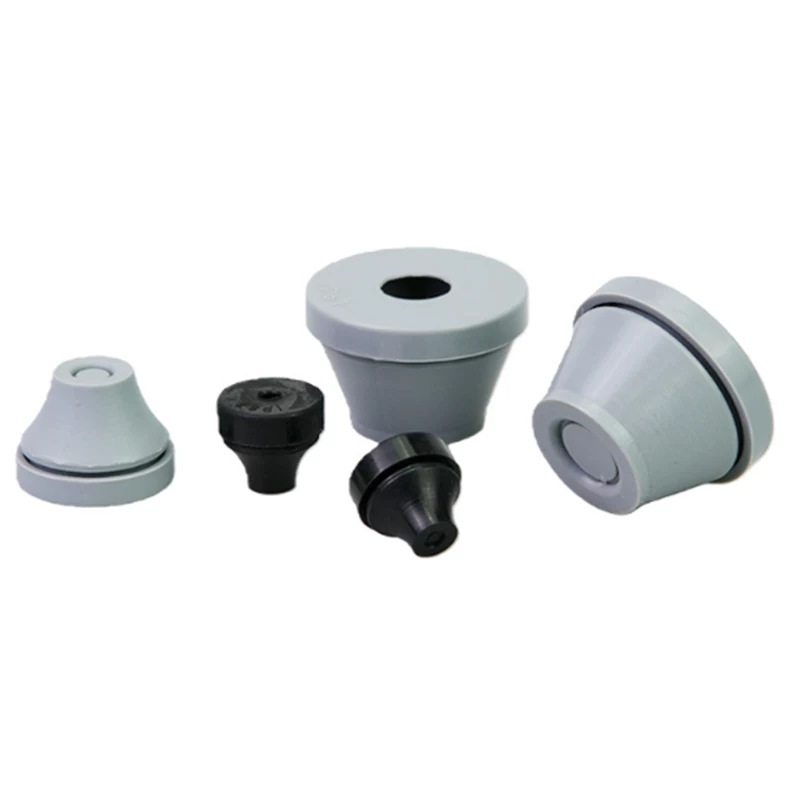
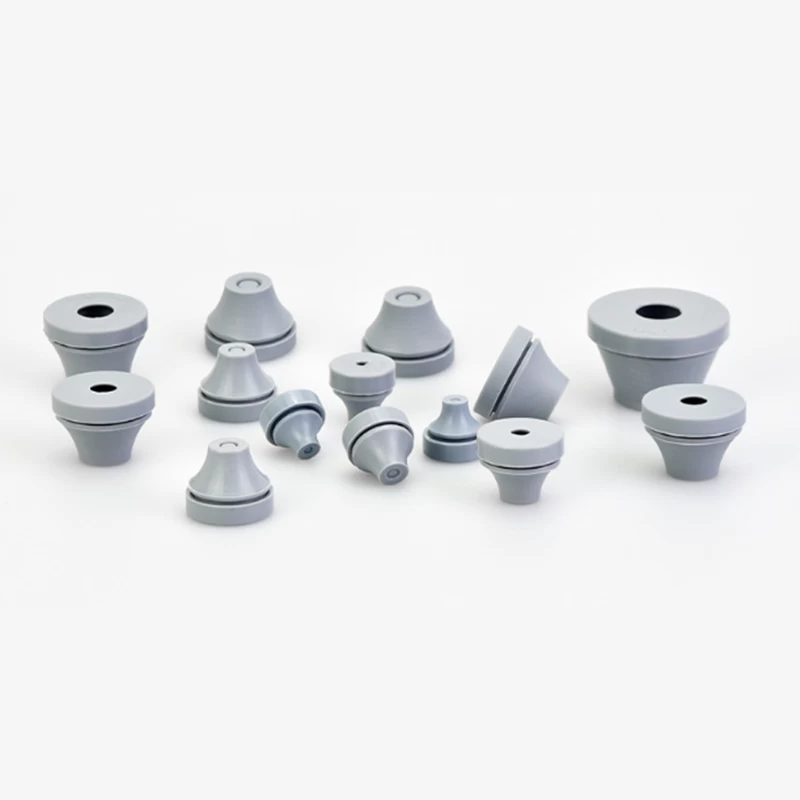
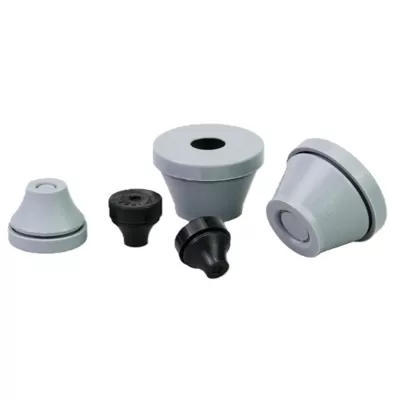
Push-In Rubber Cable Grommet / Cable Entry Seal

Also known as a cable entry grommet, push-in sealing grommet, rubber wire grommet or membrane cable plug.

Manufactured mainly from EPDM or silicone rubber, this tool-free, snap-in grommet seals cables passing through openings in sheet-metal or plastic enclosures. It provides IP67 dust and water protection while preventing sharp panel edges from cutting or damaging cable insulation.

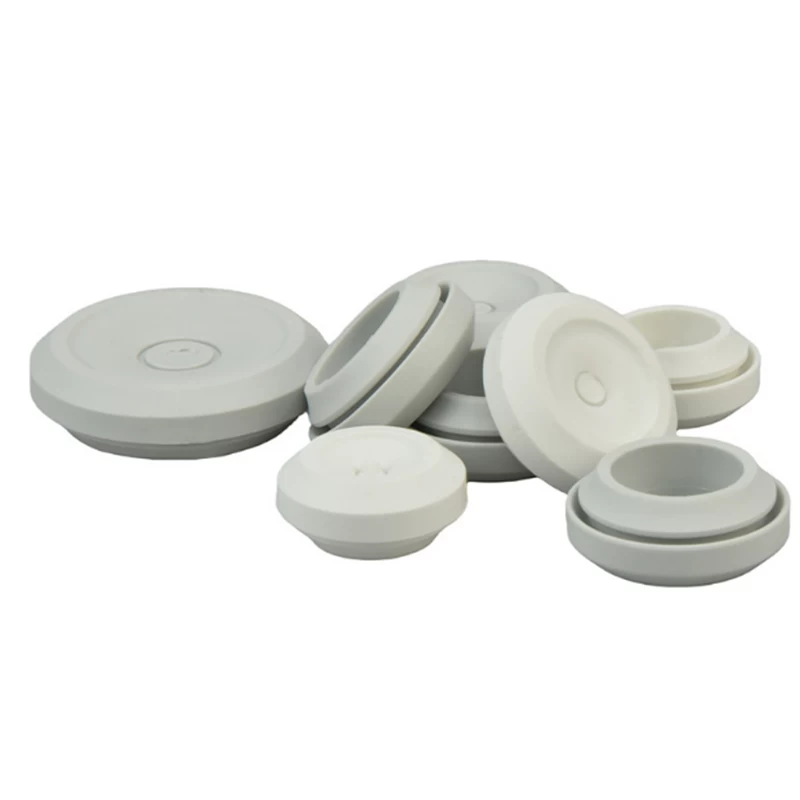
Membrane-style models can seal unused panel openings directly. The membrane can also be pierced when cable installation is required.

IP67 Protection

  • Completely protected against dust ingress.
  • Protected against temporary immersion in water up to 1 metre deep for 30 minutes when correctly installed.

Basic Specifications

ItemSpecification
Hole SizesMetric M12–M80 and PG7–PG36 panel openings
Applicable Cable Diameter3–60 mm
Applicable Panel Thickness0.5–4 mm sheet-metal or plastic enclosures
EPDM Operating Temperature-40°C to +110°C
Silicone Operating Temperature-60°C to +130°C
Protection RatingIP67 when correctly installed; selected models can reach IP68
Installation MethodTool-free push-in installation
Available StructuresOpen-hole type or pierceable membrane type

Material Options

EPDM Rubber

  • Excellent UV resistance
  • Good weather and ageing resistance
  • Suitable for outdoor equipment
  • Operating temperature: -40°C to +110°C

Silicone Rubber

  • Excellent high- and low-temperature resistance
  • Suitable for equipment exposed to extreme temperatures
  • Operating temperature: -60°C to +130°C

Applications

1. Industrial Electrical Enclosures

Suitable for outdoor control cabinets, PLC control boxes and junction boxes. It seals cable entry and exit points while membrane-style grommets can close unused cable-gland holes to maintain IP67 enclosure protection.

Also suitable for sensor and signal cables passing through inverter and drive housings.

2. Outdoor Lighting and Solar Equipment

Used in outdoor LED streetlights, landscape lighting, floodlights, solar junction boxes and photovoltaic equipment. It helps prevent rainwater, sand, dust and condensation from entering the enclosure.

3. Security and Surveillance Equipment

Suitable for outdoor cameras, access-control systems, barrier gates and other security enclosures. It protects and seals power cables, network cables and other wiring passing through the housing.

4. Appliances and Outdoor Electrical Equipment

Used in outdoor water pumps, compact car-washing equipment, garden appliances and electrical equipment operating in damp environments.

It is also suitable for cable entry points in outdoor air-conditioning units and dehumidifiers, protecting cable jackets from sharp sheet-metal edges.

5. Automotive and New-Energy Equipment

Suitable for vehicle electrical systems, trailer-light wiring harnesses, compact energy-storage enclosures, low-voltage wiring and construction-machinery control boxes.

6. Instruments and Meters

Used in water meters, gas meters and outdoor testing instruments to seal cable entry points and protect internal circuit boards against dust and rainwater.

Selection and Installation Guidelines

1. Select the Correct Structure

  • Open-hole type: Designed for cables to pass through directly.
  • Membrane type: Seals unused openings and can be pierced when cable installation is required.

2. Match the Panel Opening

The panel-hole diameter must match the selected grommet specification. An oversized opening may prevent the assembly from achieving IP67 protection.

3. Correct Installation

Push the grommet into the opening from the outside of the enclosure. The rubber retaining ribs will lock it securely onto the panel. Do not use excessive force or pry the grommet with sharp tools.

4. Provide Separate Strain Relief

This product provides sealing and edge protection but does not secure the cable against pulling forces. For equipment exposed to strong vibration or cable movement, use a separate strain-relief device to prevent sealing failure.